ニュース

耐久性と快適な衣類を実現する適切なツイル裏地生地を選択するにはどうすればよいですか?

Article Summary

Twill lining fabric is widely used in garments, bags, and fashion accessories because of its durability, smooth texture, and distinctive diagonal weave structure. Selecting the right lining fabric can significantly improve garment comfort, durability, and overall appearance. This article explains how twill lining fabric works, its key characteristics, common applications, and how buyers and manufacturers can select the most suitable material for their projects. It also answers common questions buyers face when sourcing lining fabrics.

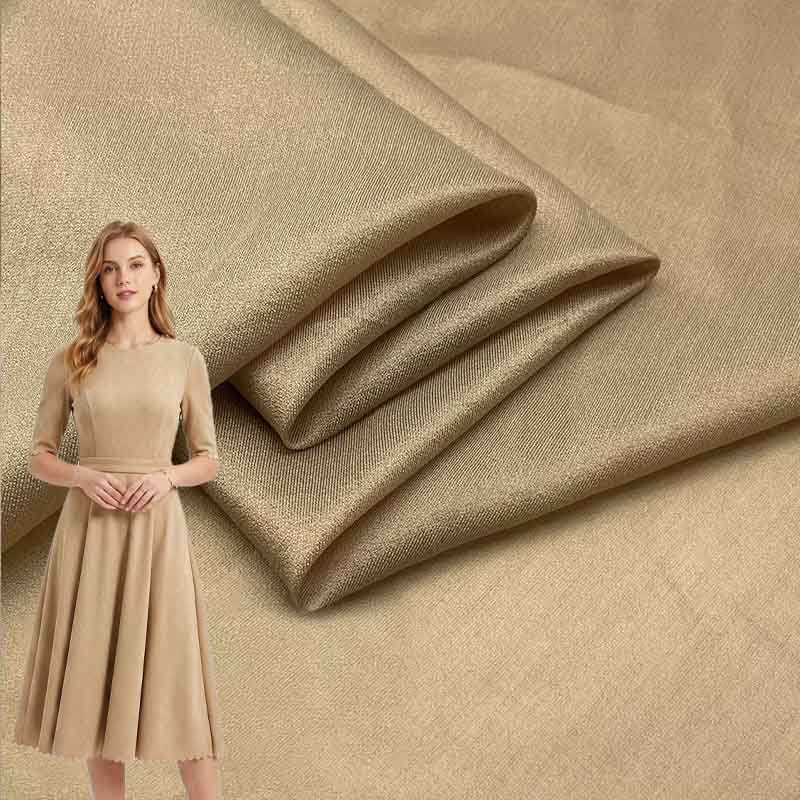
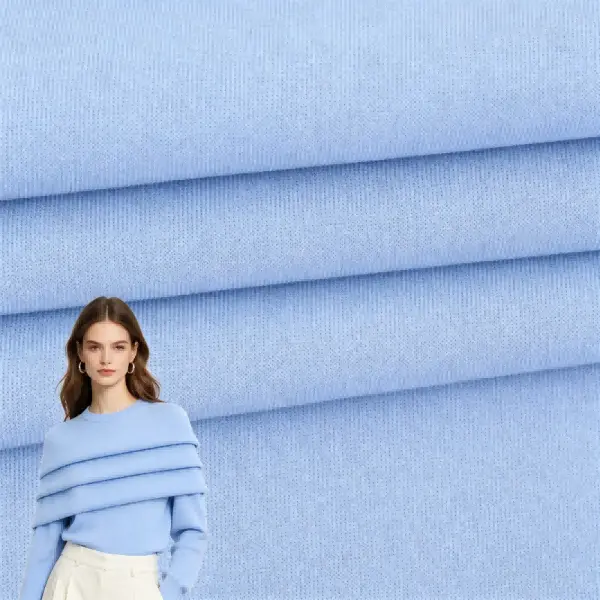
Cotton Twill Lining Fabric

Table of Contents

  1. Introduction to Twill Lining Fabric

  2. Key Characteristics of Twill Lining Fabric

  3. Common Materials Used in Twill Linings

  4. How to Choose the Right Twill Lining Fabric

  5. Main Applications in Apparel and Accessories

  6. Technical Specifications Overview

  7. Common Problems Buyers Face When Selecting Lining Fabric

  8. Frequently Asked Questions

  9. Conclusion


Introduction to Twill Lining Fabric

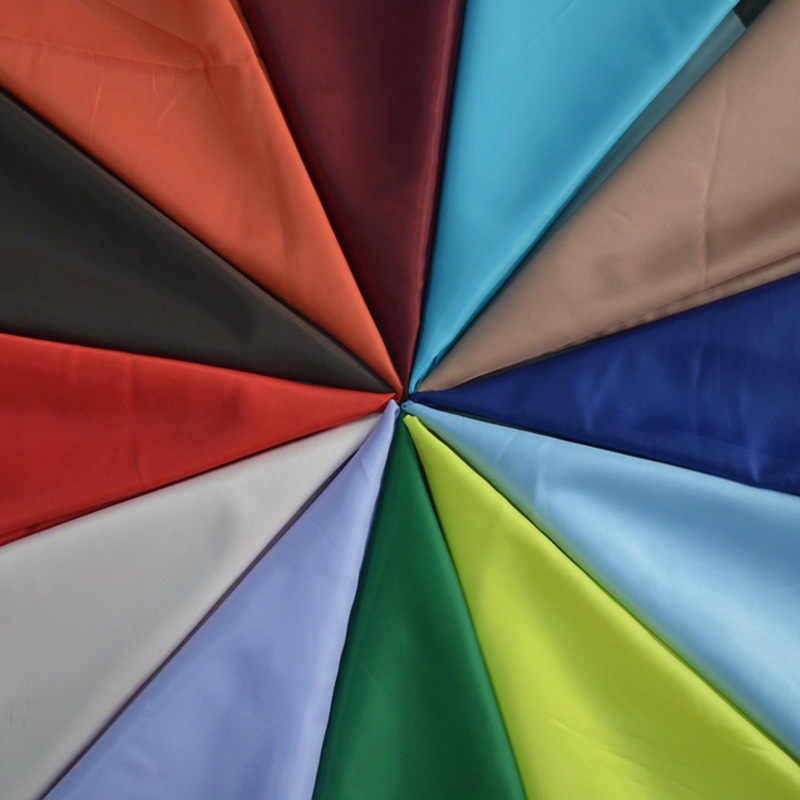
Twill lining fabric is a specialized textile commonly used inside garments to enhance comfort, structure, and durability. It is produced using a twill weave structure, which forms diagonal lines across the fabric surface. This weaving method creates a smooth texture with improved strength compared to many other lining fabrics. 

Because of this unique weave pattern, twill lining fabrics are widely used in suits, jackets, coats, dresses, bags, and even industrial textile applications. The diagonal weave distributes tension evenly across the fabric, increasing wear resistance and improving drape performance.

For fashion manufacturers, apparel brands, and textile distributors, selecting the right lining material can significantly impact the comfort and longevity of the final product.


Key Characteristics of Twill Lining Fabric

Twill lining fabrics stand out because of several structural and functional advantages. The weaving technique produces a fabric that is both strong and flexible, making it suitable for high-quality garment production.

  • Distinct Diagonal Texture – The twill weave creates visible diagonal ribs that improve visual depth and structure.
  • Durability – The interlacing structure distributes stress evenly, increasing resistance to wear and friction.
  • Smooth Surface – The lining allows garments to slide easily when worn or removed.
  • Comfortable Drape – Twill fabrics fall naturally, enhancing garment shape and movement.
  • Wrinkle Resistance – Twill fabrics are less prone to wrinkling compared to plain weaves.

These characteristics make twill lining fabrics especially suitable for garments that require both strength and comfort, such as suits and coats.


Common Materials Used in Twill Linings

Twill lining fabrics can be produced using different fibers depending on the application, price level, and performance requirements.

Material Main Features Typical Applications
Polyester Durable, wrinkle-resistant, cost-effective Uniforms, jackets, coats
Viscose Soft, breathable, smooth drape Suits, dresses, fashion garments
Acetate Silky appearance, smooth finish Luxury clothing linings
Cotton Natural fiber, breathable, comfortable Casual clothing and workwear

For example, viscose twill linings are known for their silky smooth surface and fluid drape, making them popular in tailored garments such as jackets and skirts. 


How to Choose the Right Twill Lining Fabric

Selecting the correct lining fabric requires evaluating several factors related to garment type, comfort requirements, and durability expectations.

1. Consider the Outer Fabric

The lining should complement the outer material. Lightweight fabrics require thin and smooth lining materials, while heavier outer fabrics need stronger and more structured lining fabrics.

2. Evaluate Breathability

Garments designed for frequent wear benefit from breathable lining fabrics such as viscose or cotton blends.

3. Check Fabric Weight

Typical twill lining fabrics range from lightweight to medium weight. For example, some lining fabrics range between approximately 120-200 gsm depending on the application. 

4. Examine Surface Smoothness

A smooth lining surface prevents friction between clothing layers and improves wearing comfort.

5. Evaluate Durability Requirements

Workwear, uniforms, and outerwear often require stronger lining materials with higher abrasion resistance.


Main Applications in Apparel and Accessories

Twill lining fabrics are used across a wide range of textile and fashion industries because they combine strength with an attractive appearance.

  • Suits and business jackets
  • Winter coats and trench coats
  • Dresses and skirts
  • Leather garments
  • Handbags and luggage linings
  • Uniforms and workwear
  • Decorative textile applications

In addition to apparel, twill lining fabrics are sometimes used in accessories or technical products where durability and flexibility are required.


Technical Specifications Overview

Specification Typical Range
Fabric Width 140 – 150 cm
Weight 60 – 200 GSM
Common Composition Polyester, Viscose, Cotton blends
Weave Type Twill (Diagonal weave)
Main Applications Garments, coats, suits, accessories

Common Problems Buyers Face When Selecting Lining Fabric

Many garment manufacturers encounter challenges when sourcing lining materials. Understanding these issues can help buyers make better purchasing decisions.

Problem 1: Poor Durability

Low-quality lining fabrics may tear or wear out quickly, especially in high-friction areas such as sleeves and shoulders.

Problem 2: Static Electricity

Certain synthetic fabrics may generate static electricity, causing garments to cling to the body.

Problem 3: Incompatible Fabric Weight

Using a lining fabric that is too heavy or too light may distort the garment shape.

Problem 4: Poor Color Fastness

Low-quality dyeing processes may lead to color fading after washing or extended use.

Working with experienced textile manufacturers can help avoid these issues and ensure consistent product quality.


Frequently Asked Questions

Q1: What makes twill lining fabric different from plain lining?

Twill lining fabrics feature a diagonal weave structure, which increases durability and provides better drape compared to plain weave fabrics.

Q2: Is twill lining suitable for suits and jackets?

Yes. Twill lining fabrics are commonly used in suits, coats, and jackets because they are smooth, breathable, and durable.

Q3: Can twill lining fabrics be customized?

Yes. Manufacturers can customize fiber composition, color, fabric density, and finishing treatments based on garment requirements.

Q4: What is the most common fiber used in twill lining?

Polyester and viscose are among the most widely used fibers due to their durability, smooth surface, and cost efficiency.


Conclusion

Twill lining fabric plays a crucial role in improving garment comfort, durability, and overall quality. Its diagonal weave structure provides excellent strength, smooth texture, and reliable performance in a wide range of applications including suits, coats, dresses, and accessories.

When choosing lining fabrics, manufacturers should carefully evaluate fiber composition, weight, durability, and compatibility with the outer fabric to ensure the best results in garment production.

Ningbo Nashe Textile Co., Ltd specializes in manufacturing and supplying high-quality textile materials, including twill lining fabrics designed for modern garment production. With advanced manufacturing capabilities and strict quality standards, the company provides reliable fabric solutions for fashion brands, garment factories, and global distributors.

If you are looking for durable and high-performance twill lining fabrics for your next project, contact us today to learn more about our fabric options, customization services, and professional textile solutions.

関連ニュース
メッセージを残してください
X
当社は Cookie を使用して、より良いブラウジング体験を提供し、サイトのトラフィックを分析し、コンテンツをパーソナライズします。このサイトを使用すると、Cookie の使用に同意したことになります。 プライバシーポリシー
拒否する 受け入れる